
Services / Long-life application
Long-life application
Thermoplastic and cold-applied plastic line marking for the Victorian routes that carry the most traffic and need to hold up longest.
Trusted by councils, VicRoads and civil contractors 





What it is
What the crew does on site.
Long-life line marking uses thermoplastic and cold-applied plastic (CAP) materials instead of traditional road marking paint. These products are installed where markings need to last longer, remain highly visible and withstand heavy traffic volumes.
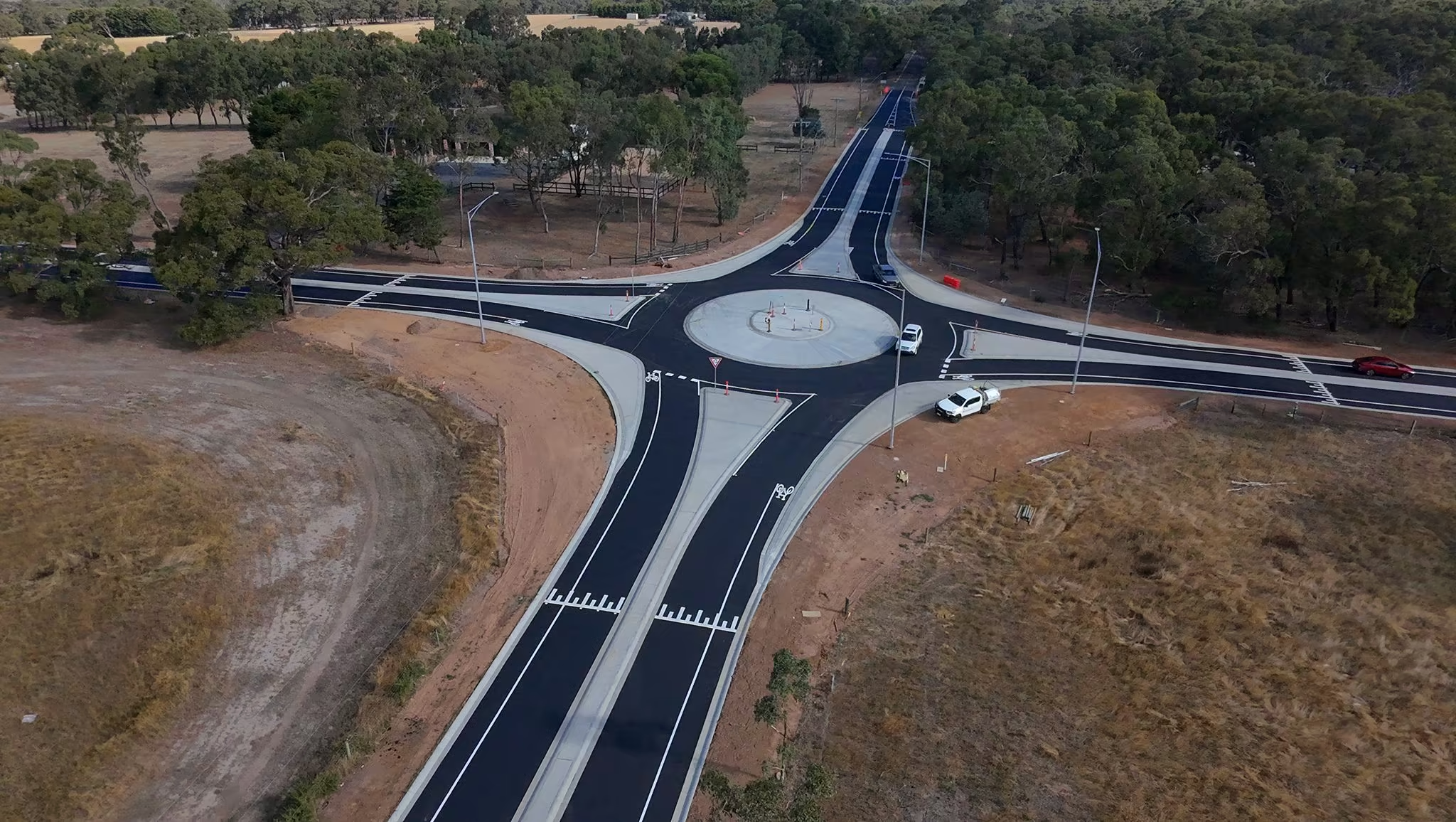
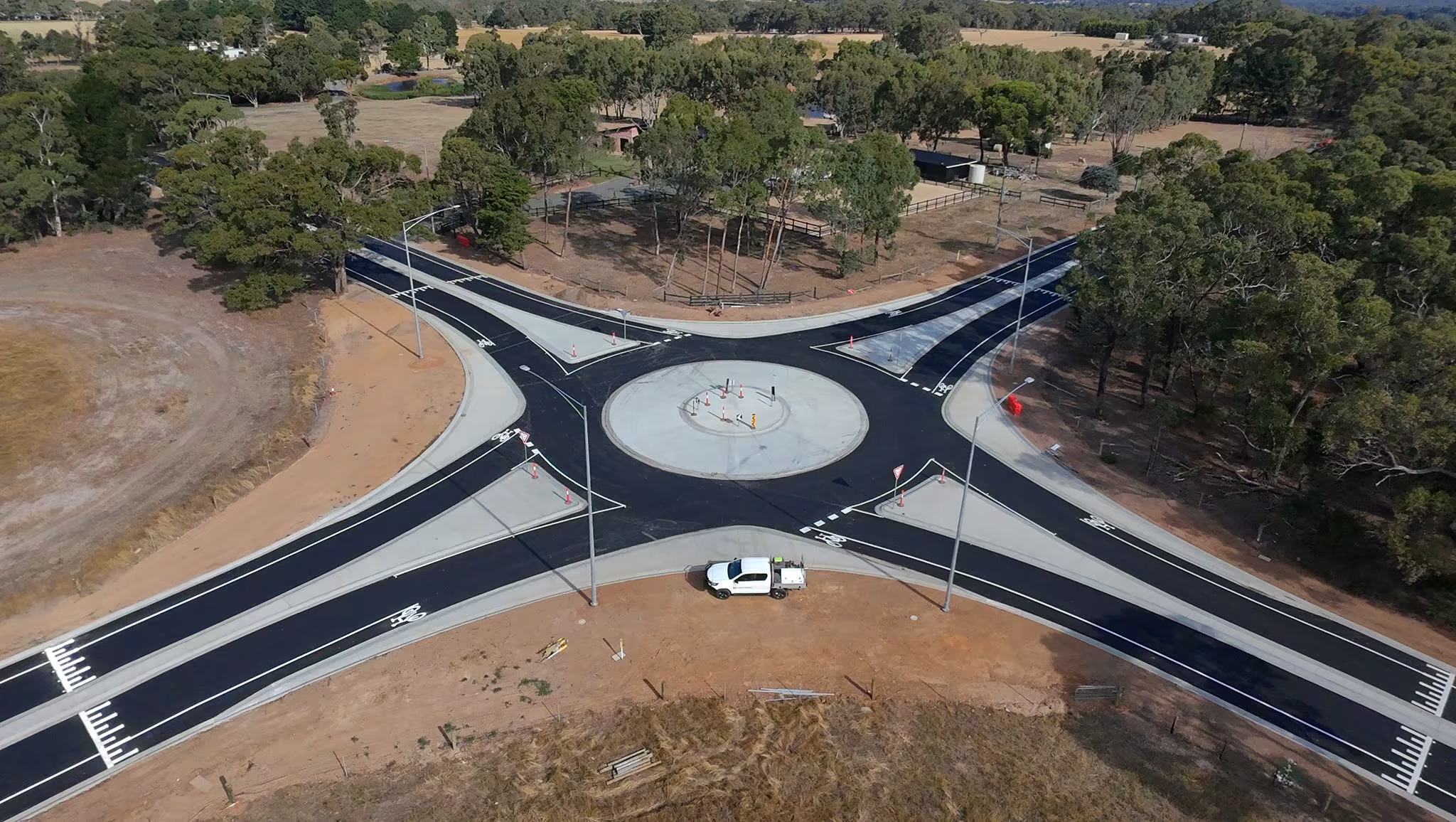
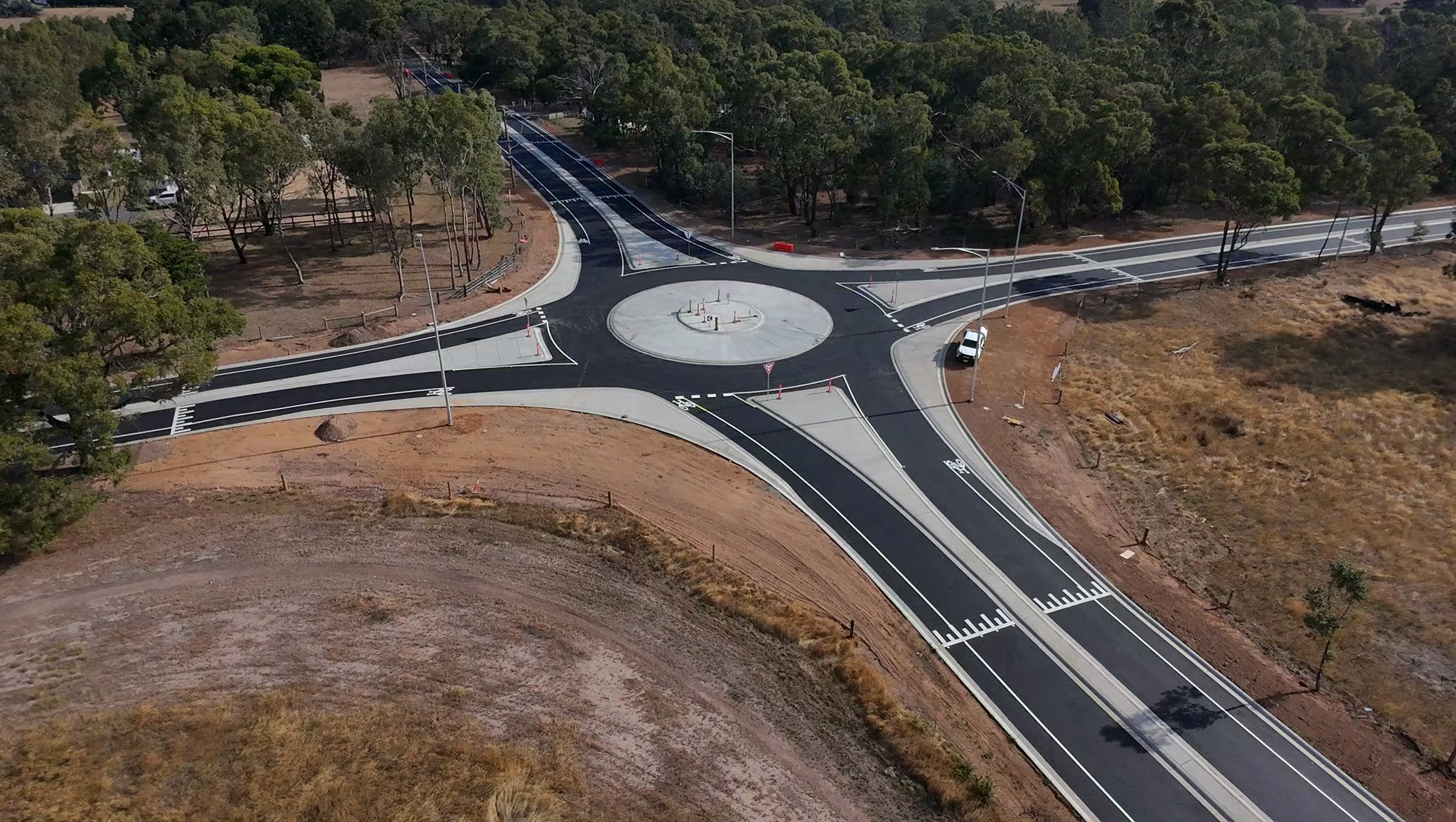
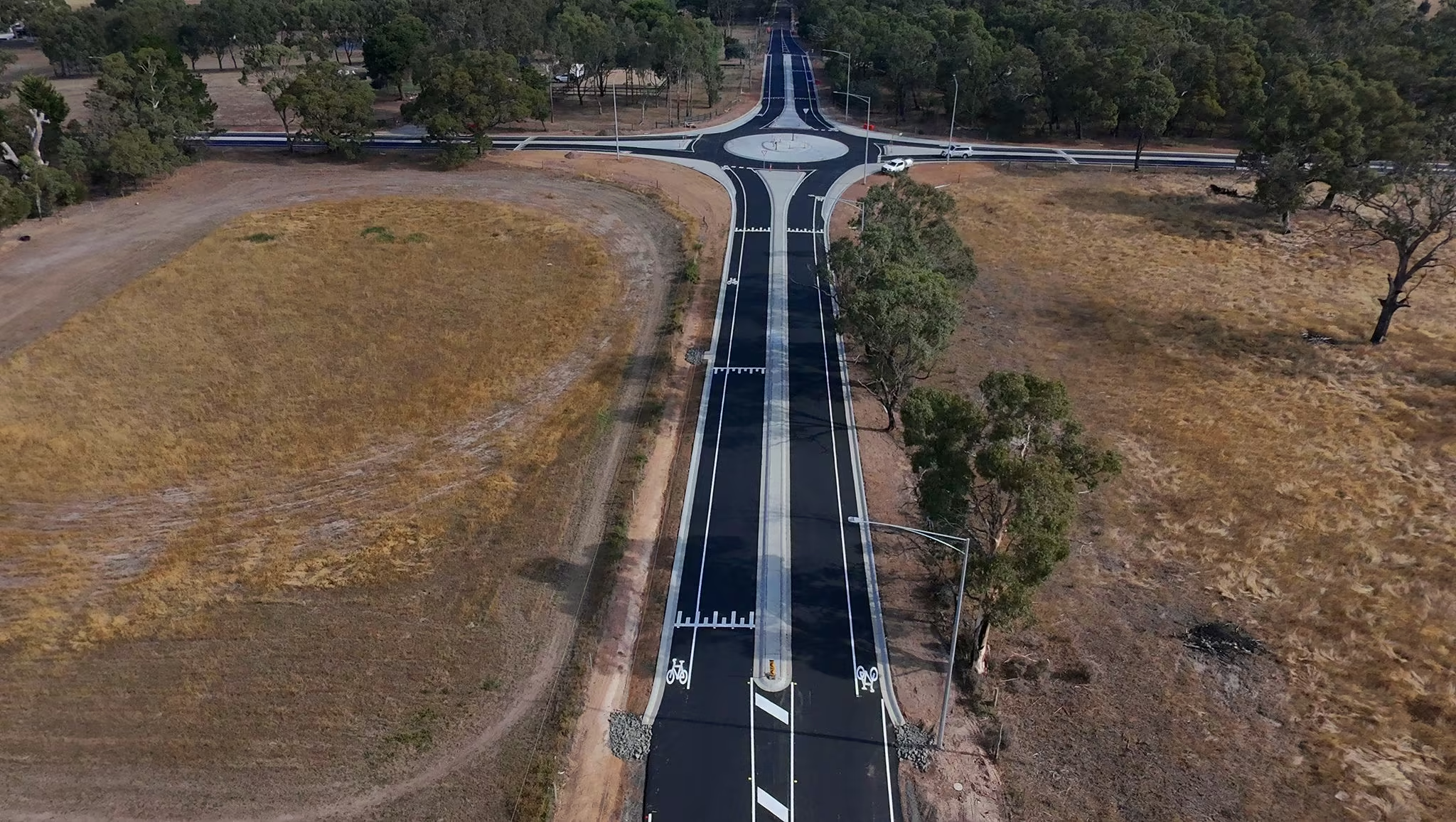
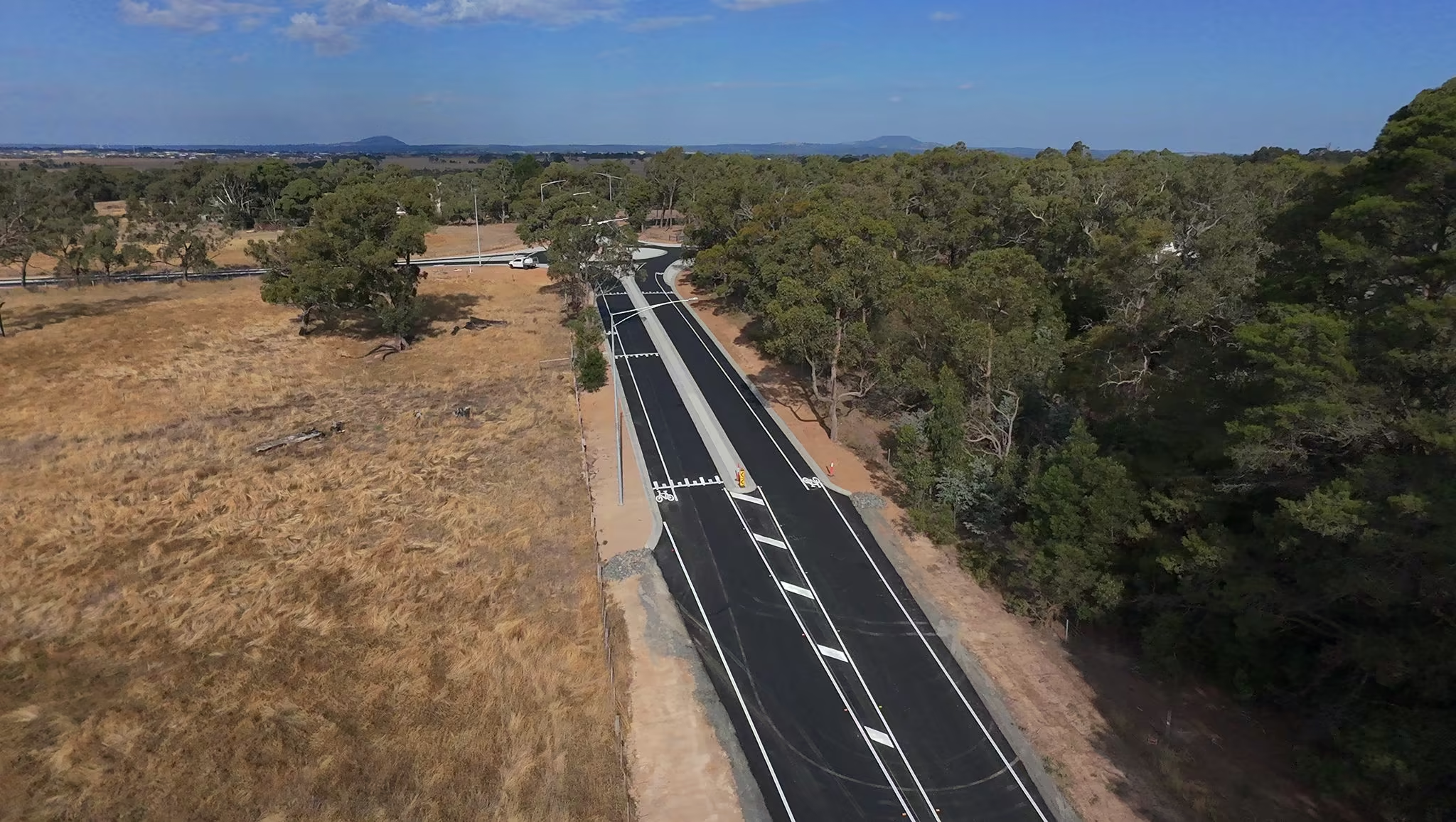
Our crews apply long-life products to centre lines, edge lines, pedestrian crossings, traffic islands, arrows, symbols, cycle lanes, bus lanes and intersections. While the upfront cost is higher than paint, the service life is significantly longer, reducing maintenance requirements and future disruptions to road users.
Why Southern Highway
Family-run since the backyard. Built for network scale.
Two generations of the same family, out of Geelong and Horsham, with the plant and the people to hold a contract that runs the length of Western Victoria.
Meet the crew- Thermo + CAP Both, in-house Modern thermoplastic and cold-applied plastic equipment, run by experienced long-life application crews.
- Any size Maintenance to major works Ability to undertake small maintenance works and major infrastructure projects alike.
- Live roads Extensive experience Extensive experience working on live roads, with in-house traffic management capability.
- One Contractor, not several Because we provide multiple road safety services, clients can engage a single contractor rather than managing several subcontractors.
Who it's for
Long-life marking for Victoria's busiest routes.
Department of Transport and Planning · Local councils including City of Ballarat and City of Greater Geelong · Major civil contractors.
Get a quote01 / 04
When we're needed
If this is on your desk, it's a call.
Long-life application gets specified for a handful of reasons. These are the ones that reach us.
- Traffic volumes are high
- Traditional paint wears too quickly
- Ongoing maintenance costs need to be reduced
- Safety improvements are required
- Higher night-time visibility is needed
- Project specifications require thermoplastic or CAP products
How it runs
Purchase order to invoice.
The same sequence every time, so a project manager knows what lands on their desk and when.
Start a job- 01 Quote
Scope priced against the plans and the extent of work involved.
- 02 Schedule
Booked day or night to suit the road and the traffic it carries.
- 03 Permit application
Memorandum of authorisation where the works require one, plus any specialised traffic management plan.
- 04 Set-out
The job spotted and marked out on the ground before any work starts.
- 05 Surface preparation
Surface cleaned and made ready.
- 06 Application
Work executed to the approved set-out.
- 07 Quality control
Checked against AS 1742 and captured on the job sheets we keep for the record.
- 08 Invoice
Issued on completion with the job record behind it.
What turns up
Plant, materials and the standard.
Everything on this list is owned and run by us — no hired plant, no subcontracted crew.
- Thermoplastic
- Thermoplastic-specific Scania truck with kettles and screeding toolsSmall trucks fitted with kettles and screeding tools
- Cold-applied
- A small line truck set up for cold-applied plastic application
- Materials
- Premium long-life products from accredited paint suppliers
- Standards
- All applications to AS 1742
Asked on every quote call
The questions before the question.
What project managers and council engineers ask us before they ask for a price.
Ask us something elseWhat is the difference between thermoplastic and cold-applied plastic?
Both are long-life alternatives to paint. Thermoplastic is heated in kettles and screeded down; CAP goes down without heat — both from trucks specifically set up for long-life application. Which one suits depends on the surface, the treatment and the specification.
Is long-life marking worth the extra cost over paint?
The upfront cost is higher than paint, but the service life is significantly longer — which reduces maintenance requirements and future disruptions to road users. It is generally chosen where traffic volumes are high, paint wears too quickly, or ongoing maintenance costs need to come down.
Where can long-life products be applied?
Centre lines, edge lines, pedestrian crossings, traffic islands, arrows, symbols, cycle lanes, bus lanes and intersections.
What standard do you apply to?
All applications are to AS 1742, using premium long-life products from accredited paint suppliers.
Accreditation and assurance
Covered, checked, on the record.
The cover and standards behind every job. Certificates of currency and the capability statement are available on request — ask when you enquire and they come back with the reply. What we can send is listed on the capability page.
- Standard AS 1742 Work checked against the Australian standard for road markings and traffic control.
- Liability $20M General and products liability insurance, with certificates of currency available.
- People WorkCover WorkCover insurance across the whole crew.
- Fleet Insured Fleet motor vehicle insurance across 70+ items of plant.
- Procurement Fair Jobs Code Pre-assessment held for Victorian government work.
Enquire
Get a long-life marking quote.
Application type, timeframe and the plans — the three things we ask on every thermoplastic and CAP call.
Or call 03 5245 7662 — reception is a person, in Geelong.
Where we work
Geelong to the South Australian Border and Beyond!
The workshop is in Geelong and there are crews out of Horsham, so the west of the state is serviced from inside it rather than driven to from Melbourne.
Key coverage areas
- Geelong
- Surf Coast
- Ballarat
- Bendigo
- Horsham
- Western Victoria
- North-west Victoria to the South Australian border and into SA
Department of Transport and Planning areas
Loddon–Mallee · Grampians · Barwon South West.